

It’s been a while since I wrote here, but with all the talk about avian flu and one case found in Oakland county, it’s time to address it.
Preventing Avian Flu in Backyard Chickens: Tips and Best Practices
Ferndale has long been a community that values responsible backyard chicken keeping. Our backyard chicken regulations are designed to adhere to GAAMPs (Generally Accepted Agricultural and Management Practices), and specific portions of the ordinance play a critical role in maintaining biosecurity. Below, we’ll discuss how these regulations help protect against diseases like avian flu, as well as additional preventative measures chicken keepers can take to safeguard their flocks.
Biosecurity Measures Built into Ferndale’s Ordinance
Ordinance No. 1118 Sec 5-8 includes important provisions to minimize disease risks:
- Fully Enclosed Structures: Chickens must be kept in a fully enclosed structure or fenced enclosure at all times. These enclosures must comply with all fence provisions in the Ferndale Code and be constructed of permanent materials, maintained according to the property maintenance code (Sec 6-16 of the Ferndale Code, as amended).
- Rodent Prevention: Structures and enclosures must be built and maintained to prevent rats, mice, or other rodents and vermin from being harbored underneath or within their walls.
These measures help reduce the potential for vectors that can spread avian flu and other diseases. Every chicken keeper in Ferndale receives a copy of this ordinance during the permitting and licensing process, and Kathy in the Building Department ensures it’s included with renewal and inspection materials.
Understanding Avian Flu and Seasonal Risks
Avian flu has been a hot topic in the backyard chicken community, especially following a major spike in early 2022. You can see in the Google trend below for ‘avian flu’ that this is definitely a regular occurence.
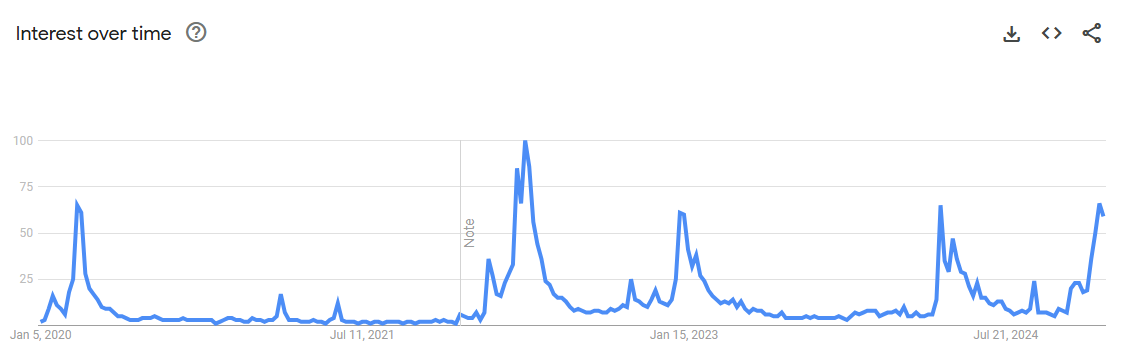
The disease is seasonal and often follows the migration patterns of wild birds, particularly waterfowl. By ensuring chickens are kept in secured coops and runs, as outlined in the ordinance, owners can minimize contact between their birds and wild migratory species, a primary transmission source.
Additionally, maintaining rodent-proof enclosures helps eliminate non-primary transmission risks. Rodents can act as carriers for diseases, so preventing their access to coops is a key part of biosecurity.
Additional Steps to Prevent Avian Flu
While Ferndale’s regulations provide a strong foundation, chicken keepers can further protect their flocks by following these best practices recommended by MDARD and other authorities:
- Prevent Contact with Wild Birds: Bring chickens indoors or ensure outdoor areas are fully enclosed to avoid interaction with wild birds.
- Practice Proper Hygiene: Wash hands before and after handling chickens and when moving between different coops.
- Disinfect Gear: Clean and disinfect boots, tools, and equipment when moving between coops. Avoid sharing supplies between farms.
- Secure Feed: Keep poultry feed in a sealed container to prevent contamination by wild birds or rodents.
- Use Safe Drinking Water: Provide well or municipal water for drinking, avoiding potential contamination.
- Dispose of Non-Disinfectable Equipment: If an item cannot be properly disinfected, discard it to avoid potential transmission risks.
If avian flu is suspected in your flock, it’s crucial to act quickly. Contact MDARD immediately at 800-292-3939 during daytime hours or 517-373-0440 after hours.
Ferndale’s Track Record of Healthy Chickens
Since the passage of our ordinance in 2012, fewer than 50 homes in Ferndale keep chickens, and we have yet to report any cases of major poultry diseases such as Newcastle disease or avian flu. This is a testament to the effectiveness of our regulations and the diligence of our chicken keepers.
We will continue to monitor updates from MDARD and DNR to ensure our community remains informed and prepared to handle any potential risks. By following the ordinance and implementing additional biosecurity measures, Ferndale’s chicken keepers can enjoy their flocks while keeping them healthy and safe.
 Ferndale Chickens