Preventing Avian Flu in your Michigan Backyard Chicken Flock

It’s been a while since I wrote here, but with all the talk about avian flu and one case found in Oakland county, it’s time to address it.

Preventing Avian Flu in Backyard Chickens: Tips and Best Practices

Ferndale has long been a community that values responsible backyard chicken keeping. Our backyard chicken regulations are designed to adhere to GAAMPs (Generally Accepted Agricultural and Management Practices), and specific portions of the ordinance play a critical role in maintaining biosecurity. Below, we’ll discuss how these regulations help protect against diseases like avian flu, as well as additional preventative measures chicken keepers can take to safeguard their flocks.

Biosecurity Measures Built into Ferndale’s Ordinance

Ordinance No. 1118 Sec 5-8 includes important provisions to minimize disease risks:

  • Fully Enclosed Structures: Chickens must be kept in a fully enclosed structure or fenced enclosure at all times. These enclosures must comply with all fence provisions in the Ferndale Code and be constructed of permanent materials, maintained according to the property maintenance code (Sec 6-16 of the Ferndale Code, as amended).
  • Rodent Prevention: Structures and enclosures must be built and maintained to prevent rats, mice, or other rodents and vermin from being harbored underneath or within their walls.

These measures help reduce the potential for vectors that can spread avian flu and other diseases. Every chicken keeper in Ferndale receives a copy of this ordinance during the permitting and licensing process, and Kathy in the Building Department ensures it’s included with renewal and inspection materials.

Understanding Avian Flu and Seasonal Risks

Avian flu has been a hot topic in the backyard chicken community, especially following a major spike in early 2022. You can see in the Google trend below for ‘avian flu’ that this is definitely a regular occurence.
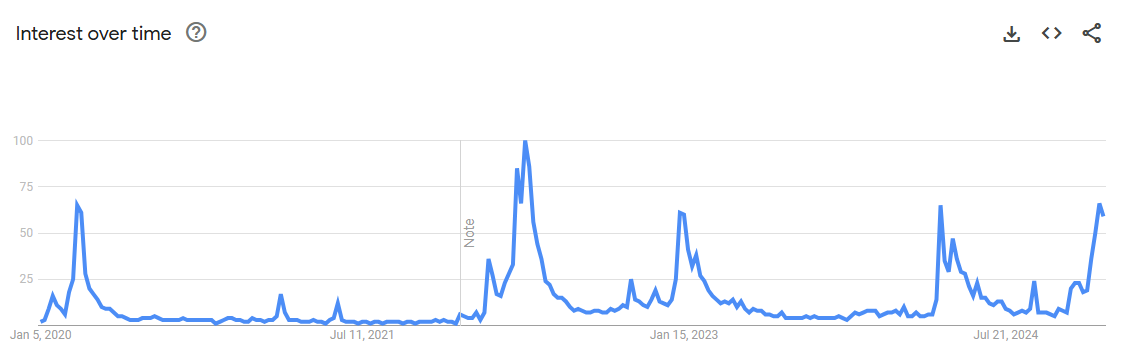
The disease is seasonal and often follows the migration patterns of wild birds, particularly waterfowl. By ensuring chickens are kept in secured coops and runs, as outlined in the ordinance, owners can minimize contact between their birds and wild migratory species, a primary transmission source.

Additionally, maintaining rodent-proof enclosures helps eliminate non-primary transmission risks. Rodents can act as carriers for diseases, so preventing their access to coops is a key part of biosecurity.

Additional Steps to Prevent Avian Flu

While Ferndale’s regulations provide a strong foundation, chicken keepers can further protect their flocks by following these best practices recommended by MDARD and other authorities:

  • Prevent Contact with Wild Birds: Bring chickens indoors or ensure outdoor areas are fully enclosed to avoid interaction with wild birds.
  • Practice Proper Hygiene: Wash hands before and after handling chickens and when moving between different coops.
  • Disinfect Gear: Clean and disinfect boots, tools, and equipment when moving between coops. Avoid sharing supplies between farms.
  • Secure Feed: Keep poultry feed in a sealed container to prevent contamination by wild birds or rodents.
  • Use Safe Drinking Water: Provide well or municipal water for drinking, avoiding potential contamination.
  • Dispose of Non-Disinfectable Equipment: If an item cannot be properly disinfected, discard it to avoid potential transmission risks.

If avian flu is suspected in your flock, it’s crucial to act quickly. Contact MDARD immediately at 800-292-3939 during daytime hours or 517-373-0440 after hours.

Ferndale’s Track Record of Healthy Chickens

Since the passage of our ordinance in 2012, fewer than 50 homes in Ferndale keep chickens, and we have yet to report any cases of major poultry diseases such as Newcastle disease or avian flu. This is a testament to the effectiveness of our regulations and the diligence of our chicken keepers.

We will continue to monitor updates from MDARD and DNR to ensure our community remains informed and prepared to handle any potential risks. By following the ordinance and implementing additional biosecurity measures, Ferndale’s chicken keepers can enjoy their flocks while keeping them healthy and safe.
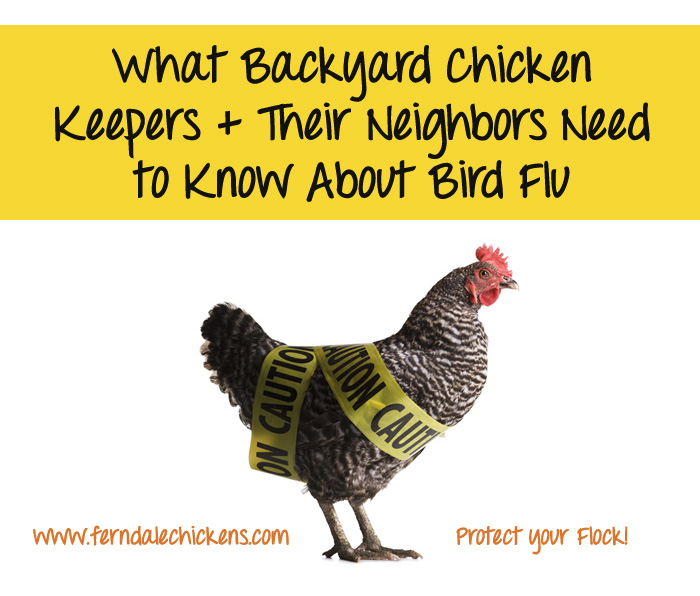
What Michigan Backyard Chicken Keepers Need to Know About the Bird Flu

michigan bird flu avian influenza prevention

Before anyone panics, let me start this out by saying this:

You’re not likely to get the bird flu.

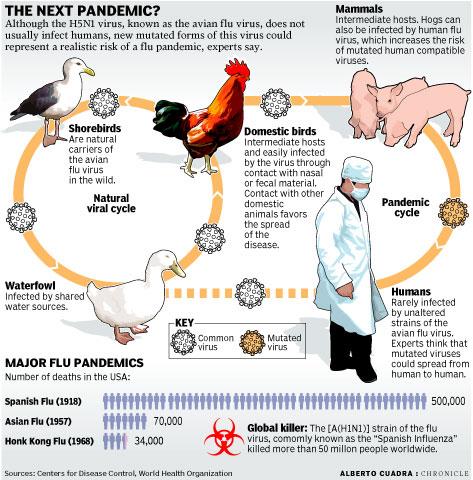
That said, I felt the need to put together this post to remind fellow backyard chicken keepers & other fowl keepers (ducks, geese, etc) that it’s ALWAYS crucial to be mindful of the potential for disease to be spread in your flock.  Yesterday, Michigan saw it’s first case of bird flu, found in Canadian geese in Sterling Heights.  Although it’s being shown over and over again that backyard flocks are less prone to contracting bird flu, it’s wise to exercise caution.

From AOL:

“Michigan on Monday said Canadian geese in the state tested positive for a lethal strain of bird flu, bringing the worst outbreak of the disease in U.S. history to a 21st state.

Three young geese collected in Sterling Heights, Michigan, about 20 miles (30 km) north of Detroit, were infected with the highly pathogenic H5N2 flu strain, according to the Michigan Department of Natural Resources. The state is now focusing on preventing the spread of the disease to poultry, Director Keith Creagh said.

Nationwide, more than 46 million chickens and turkeys have been killed by the disease or culled to prevent its spread. Most are in Iowa, the top U.S. egg-producing state, and Minnesota, the nation’s top turkey-producing state.

Michigan is the 21st state to confirm a case of bird flu since late 2014 and the sixth to detect it only in wild or free-ranging bids, according to the department. Fifteen states have found the virus in poultry flocks.

The discovery of the disease in Michigan was “not unexpected given avian influenza has been found in a number of our neighboring states and Ontario,” said Jamie Clover Adams, director of the Michigan Department of Agriculture and Rural Development.

Wild birds are thought to be carriers of the virus, which also can be tracked onto poultry farms by people or trucks that come into contact with contaminated feces. It may also be carried into poultry barns by wind blowing in contaminated dirt or dust.”

What’s the takeaway from all of this:

  1. Keep your birds away from wild geese, ducks, and waterfowl and where they tend to congregate.Bird-Flu-02
  2. Don’t bring in new adult or juvenile birds into your flock without a lengthy quarantine. Read more about quarantine best practices.
  3. Do not show your chickens at live poultry fairs/exhibits.  Michigan has already enacted a statewide quarantine of chickens.
  4. Take care to use sensible biosecurity protocol after visiting farms or anywhere there are potentially infected birds or their droppings- meaning, before you visit your own chickens, remove shoes and clothing that was exposed to potential pathogens and wash your hands.
  5. Consider moving your bird feeder away from where your chickens live & roam.  It’s unlikely that wild songbirds are carriers or bird flu, but they can carry other pathogens and parasites.
  6. Learn the symptoms and facts about Avian Influenza and keep an eye on your birds

Unfortunately, this means that my grand plan of having Ferndale’s first chicken coop tour is out the window, even though the risk is minimal.  When in doubt, I side with caution.

To Our Chicken-less Neighbors:

Our backyard flocks aren’t going to make you sick.  In fact, right now we’re the ones being turned to for eggs, since the price of eggs is skyrocketing after countless factory farm birds have had to be culled due to infection.  It appears that factory farms are contracting bird flu much more readily than backyard flocks, despite our hens wandering in the yard where other birds might be located.  We’re trying to keep our food system healthy, and keep our lovely pet chickens healthy too.  Personally, most people I’ve met who keep a small flock are hyper vigilant about protecting them from the bugaboos and weird stuff that can kill a chicken.  We invest in these birds in a major way for a relatively meager ROI-  after all, in Ferndale we’re getting 3 eggs a day MAX, only in peak laying season when the birds are in their prime.

I’m hopeful that this epidemic is halted before it progresses further.  We’ve barely felt the effects here in Michigan, but with eggs & chicken being such a staple protein, I’m hoping that good biosecurity and prevention will keep us from seeing massive shortages and skyrocketing prices for those who purchase eggs/meat.